
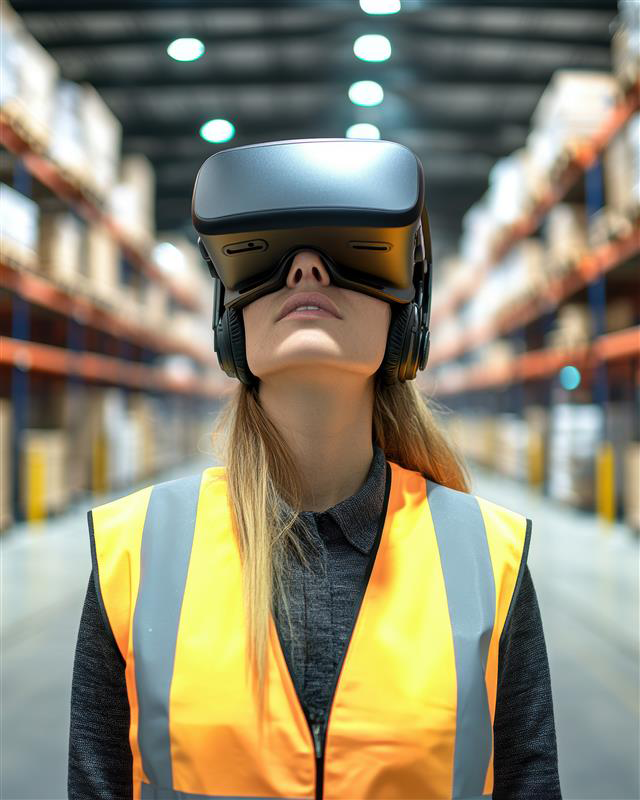
This course supports the design and production of 360° videos as innovative tools for vocational and professional education and training (VPET). It is intended for teachers, trainers, instructional designers and technical developers who wish to create immersive learning experiences.
The course guides participants through the process of planning, producing and integrating 360° videos into training activities, highlighting key decisions, good practices and critical aspects to consider during development. It combines practical guidance with insights from real-world VPET projects, offering a structured pathway for integrating 360° videos into training contexts.
The course covers four main types of 360° videos, from basic raw recordings to fully edited and interactive experiences. A step-by-step progression is recommended, starting with simpler formats and gradually moving towards more advanced solutions as technical confidence and pedagogical needs increase. While high-quality 360° video production may require technical skills (e.g. video editing and post-production), the course presents both beginner-friendly tools and more advanced approaches.
The guidelines presented are based on evidence gathered from interviews with 17 professionals involved in seven VPET projects, including technical developers, instructional designers, VPET teachers and researchers. These perspectives reflect three areas of expertise: pedagogical, subject-matter, and technical.
The course is structured as follows:
- Chapter 1 introduces basic concepts, educational value and pedagogical foundations of 360° videos in training.
- Chapter 2 describes the production process following the ADDIE instructional design model.
- Chapter 3 presents case studies from the analysed projects, highlighting lessons learned.